Stay Informed
Join our newsletter to receive updates about our mission, impact stories, and ways you can help make a difference.

Human trafficking and smuggling are deeply intertwined issues affecting millions around the globe. Smugglers often exploit vulnerable populations, luring individuals with false promises of better opportunities. As these networks become more sophisticated, law enforcement agencies face overwhelming challenges in tracking and apprehending criminals while also identifying and assisting victims.
In recent years, artificial intelligence (AI) has emerged as a powerful tool in various fields, and its application in detecting smugglers and victims of human trafficking is proving to be a game changer. With the increasing complexities of global smuggling networks and the urgency of human rights issues, AI technologies are being employed to enhance monitoring, data analysis, and investigative processes. Although AI has the potential to do all these things, it has been underutilized in the field and there should be a push from NGOs and agencies to use the technology.
AI systems are designed to analyze massive datasets and recognize patterns that may be invisible to the human eye. Here’s a look at how these technologies enhance efforts to combat smuggling and human trafficking:
1. Data Analysis and Predictive Modeling : AI algorithms can process vast amounts of data from multiple sources, including social media, transaction records, travel itineraries, and immigration logs. By identifying and analyzing patterns, such as repeated travel to suspicious regions or disproportionate financial transactions, AI can highlight potential smuggling operations. Predictive models can score individuals or situations based on likelihood to be involved in trafficking activities, focusing law enforcement resources where they are needed most.
2. Image and Video Monitoring: Advanced AI techniques, like computer vision, allow for the analysis of images and videos from surveillance cameras at borders and major transport hubs. These systems can recognize suspicious behaviors or track vehicles associated with known smugglers, providing real-time alerts to authorities.
3. Natural Language Processing (NLP): NLP enables AI to sift through vast amounts of text data from online platforms, forums, and dark web sites. By identifying key phrases or discussing certain types of trafficking, organizations can uncover smuggling schemes before they escalate.
4. Pattern Recognition in Communications: Smugglers often use coded language in communications. AI can analyze texting patterns, emails, and phone calls to reveal coded messages among suspects. By leveraging this technology, investigators can intercept conversations that reveal smuggling arrangements or lead to victim identification.
AI’s role extends beyond tracking smugglers; it also plays a vital part in identifying and assisting victims. Many AI systems are designed to analyze data collected from crisis hotlines, social media, and community reports to spot signs of victimization. By identifying keywords or behaviors commonly associated with trafficking, AI can help social services provide timely aid to those in need.
Additionally, AI-driven chatbots and virtual assistants can provide anonymous support to potential victims, helping them navigate their situations and connecting them with resources while maintaining their privacy and safety.
The intersection of technology and social justice has never been more critical. As AI continues to evolve, its capabilities in detecting and combating smuggling and human trafficking will further strengthen law enforcement and humanitarian efforts. In a world where time is crucial for rescuing victims and stopping criminals, leveraging AI technology may very well be key to creating safer communities globally. As these technologies develop, continued collaboration between tech companies, law enforcement, and NGOs will be crucial in ensuring they are used effectively and ethically.
Join our newsletter to receive updates about our mission, impact stories, and ways you can help make a difference.

While everything becomes digitalized, seeking support is no exception. Many NGOs have followed the method of including a hotline to support victims of various types of abuse, but to know more about its effectiveness, we need to know the opinions of help seekers.

The clock is ticking. Every day we wait to address AI-generated child sexual abuse material is another day predators get ahead of law enforcement. OpenAI recently announced that ChatGPT will permit erotic content for age-verified adults. The company has framed this decision as a way of respecting adult autonomy. But this decision, opens a floodgate that could accelerate one of the most urgent threats facing children today: the explosion of AI-generated child sexual abuse material (AI-CSAM). The numbers are already terrifying. And they're getting worse by the day.

There are different kinds of ways we can use to find information about child abuse cases, BUT surveying remains one of the most effective methods. To survey child abuse, a complex process that requires strict ethical protocols and specialized methods, researchers must prioritize the safety and well-being of participants. A survey can target the prevalence of abuse in a population or be used for screening and clinical assessment in healthcare settings. HOWEVER, there are many ethical considerations before conducting such research such as age, anonymity

Across Africa, millions of children are growing up under the shadow of sexual violence and exploitation. Behind closed doors, in schools, in refugee camps, and increasingly across digital spaces, countless boys and girls face abuses that rob them of dignity, safety, and the promise of a better future. The crisis is urgent — yet too often invisible. It demands not only compassion but also coordinated, sustained action from governments, communities, and international partners.

Child trafficking doesn't announce itself with violence or force. It begins quietly with a friendly message, a job offer, or a promise of something better. In cities and small towns alike, child trafficking operates through an invisible web that stretches across borders and screens. This multi-billion-dollar crime doesn't resemble the dramatic abductions we see in movies. Instead, it hides behind trusted faces, false promises, and everyday transactions. According to the United Nations Office on Drugs and Crime, nearly one in three trafficking victims worldwide is a child, and the majority are exploited without ever crossing a border.
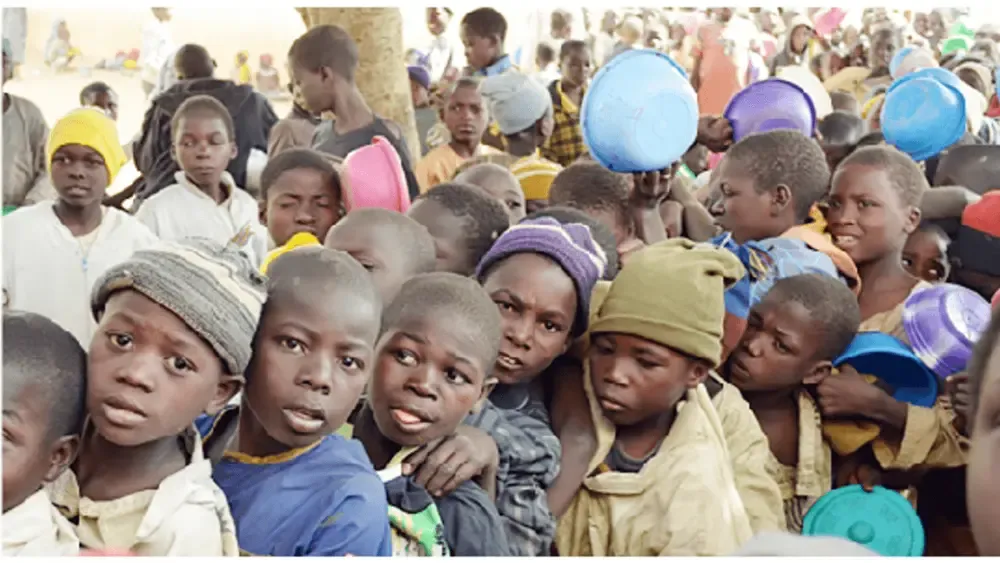
The Almajiri system is one of the oldest forms of traditional Islamic education in Northern Nigeria. The term Almajiri comes from the Arabic word al-Muhajirun, meaning “a seeker of knowledge who leaves home in pursuit of learning.” For centuries, this system produced respected scholars, leaders, and community guides.
Look into the eyes of a child. What do you see? Laughter, dreams, boundless potential. Now, imagine those same eyes filled with fear, despair, and the heavy burden of a life stolen. This is the stark reality for millions of children around the world, victims of child trafficking – a modern-day slavery that thrives in the shadows of our globalized society.

Despite that South Africa have the largest economy In Africa with the largest literacy rates, Child abuse remains a pressing issue in South Africa, The alarming statistics surrounding child abuse highlight an urgent need for society to address this pervasive problem.

Child labor has been a pervasive issue throughout history, especially during the Industrial Revolution in Europe, when the demand for cheap labor forced many children into factories, mines, and mills. As society gradually recognized the exploitation faced by these young workers, significant efforts emerged to combat child labor across the continent. Understanding how Europe addressed this social issue sheds light on the value placed on childhood innocence and education, which continues to resonate today.

Child sexual exploitation in digital spaces has evolved significantly with the rise of online gaming platforms. Gaming environments now represent a significant avenue for predators to access children, with concerning research showing grooming situations can develop in as little as 19 seconds to 45 minutes in social gaming environments.

Preventing child sexual exploitation requires vigilance, education, and systemic safeguards:

Imagine a world where every child can grow up safe, loved, and empowered regardless of their circumstances. A world free from the horrors of child trafficking, pedophilia, and exploitation. At Marianco, we're committed to making this vision a reality. We're building a future where vulnerable children are protected, their dignity restored, and their stories rewritten.