Stay Informed
Join our newsletter to receive updates about our mission, impact stories, and ways you can help make a difference.
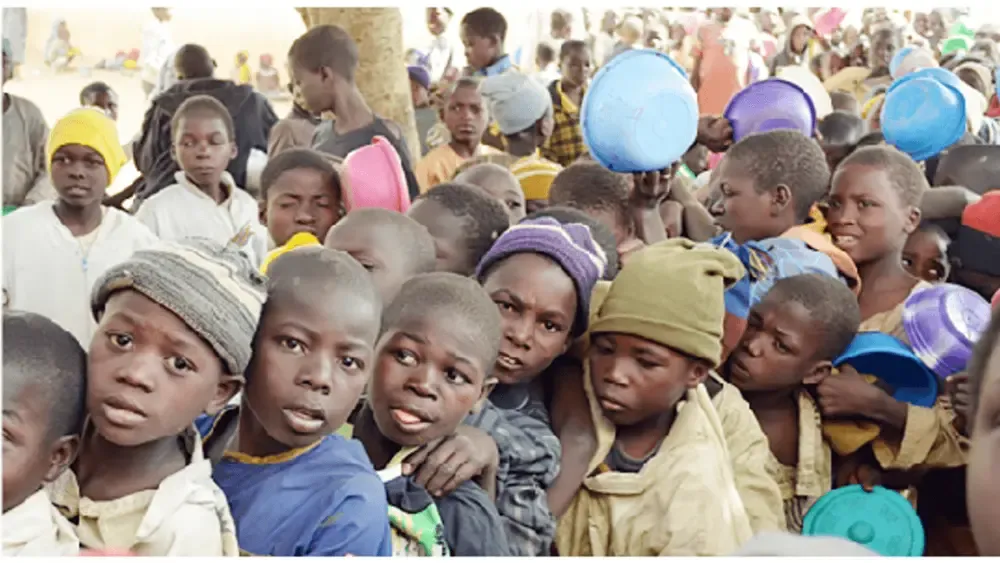
The Almajiri system is one of the oldest forms of traditional Islamic education in Northern Nigeria. The term Almajiri comes from the Arabic word al-Muhajirun, meaning “a seeker of knowledge who leaves home in pursuit of learning.” For centuries, this system produced respected scholars, leaders, and community guides.
• Historical Roots
The Al Majiri system dates back to the era of the Kanem-Borno Empire and later flourished under the Sokoto Caliphate. Young boys were sent to Islamic teachers (mallams) to study the Qur’an, Arabic, and Islamic law. Importantly, the community supported these students by providing food and shelter, making it a dignified and respected institution.
• How It Changed
The decline of the Almajiri system began during the colonial period when the British withdrew funding and community support dwindled. Without resources, many teachers and students were left to survive on their own. Over time, the system shifted from being a center of knowledge to one associated with poverty and hardship.
• The Situation Today
For millions of children in Northern Nigeria, being an Almajiri now often means:
- Street Begging: Many Almajiri children are forced to beg daily for food and money, leaving them vulnerable to hunger, abuse, and exploitation.
- Sexual exploitation of Almajiri children—both boys and girls—has been documented, though it is often underreported due to stigma, cultural taboos, and lack of child protection systems in Northern Nigeria. Pedophiles take advantage of these prepubescent children.
- Lost Education Opportunities: They miss out on basic literacy, numeracy, and life skills, which are essential for their future.
- Health and Safety Risks: Living on the streets exposes them to disease, neglect, and sometimes recruitment by criminal or extremist groups.
- Stigma and Discrimination: Instead of being valued as learners, they are often seen as beggars or burdens.
This reality directly violates children’s rights to education, protection, and dignity as enshrined in the United Nations Convention on the Rights of the Child (CRC) and Nigeria’s Child Rights Act (2003).
• Moving Forward
The Almajiri system does not have to be abolished—it needs to be reformed. Steps that can make a difference include:
- Integrating Religious and Modern Education: Providing children with both Islamic knowledge and formal schooling.
- Community and Government Support: Ensuring that Almajiri schools receive adequate funding for food, shelter, and qualified teachers.
- Child Protection Services: Creating safe environments that protect children from abuse, exploitation, and neglect.
- Awareness and Advocacy: Changing negative perceptions and highlighting that Almajiri children are learners who deserve equal opportunities.
The Almajiri system began as a noble path of learning but has been weakened by neglect and lack of support. Today, millions of children suffer under conditions that deny them their rights and their futures. Reforming the system is not only an educational issue—it is a matter of child protection, social justice, and human dignity.
Every child deserves the chance to learn in safety, without hunger, and with hope for a better future.
You can be part of the change:
- Donate, Give Grants: You can be a Change Agent by donating or give grants to rescue these children. Remember every child your child!
- Raise Awareness: Share this story so more people understand the struggles of Almajiri children.
- Support Policy Reform: Urge leaders to prioritize education and child protection in Northern Nigeria.
- Donate or Volunteer: Partner with organizations working to provide safe housing, food, and integrated education for Almajiri children.
- Stand for Children’s Rights: Every voice matters—your advocacy can help protect vulnerable children and restore dignity to the Almajiri system.
Together, we can ensure that no child is left on the streets when they should be in school, learning, and dreaming of a brighter tomorrow and above all, save them from being exposed to societal-ills.
Join our newsletter to receive updates about our mission, impact stories, and ways you can help make a difference.

While everything becomes digitalized, seeking support is no exception. Many NGOs have followed the method of including a hotline to support victims of various types of abuse, but to know more about its effectiveness, we need to know the opinions of help seekers.

The clock is ticking. Every day we wait to address AI-generated child sexual abuse material is another day predators get ahead of law enforcement. OpenAI recently announced that ChatGPT will permit erotic content for age-verified adults. The company has framed this decision as a way of respecting adult autonomy. But this decision, opens a floodgate that could accelerate one of the most urgent threats facing children today: the explosion of AI-generated child sexual abuse material (AI-CSAM). The numbers are already terrifying. And they're getting worse by the day.

There are different kinds of ways we can use to find information about child abuse cases, BUT surveying remains one of the most effective methods. To survey child abuse, a complex process that requires strict ethical protocols and specialized methods, researchers must prioritize the safety and well-being of participants. A survey can target the prevalence of abuse in a population or be used for screening and clinical assessment in healthcare settings. HOWEVER, there are many ethical considerations before conducting such research such as age, anonymity
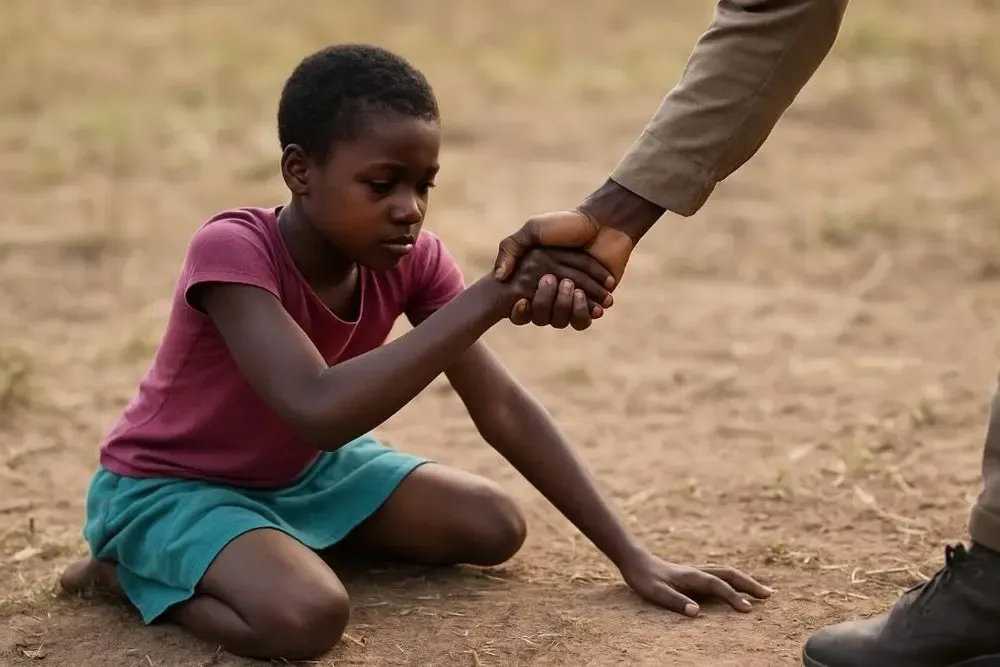
Across Africa, millions of children are growing up under the shadow of sexual violence and exploitation. Behind closed doors, in schools, in refugee camps, and increasingly across digital spaces, countless boys and girls face abuses that rob them of dignity, safety, and the promise of a better future. The crisis is urgent — yet too often invisible. It demands not only compassion but also coordinated, sustained action from governments, communities, and international partners.
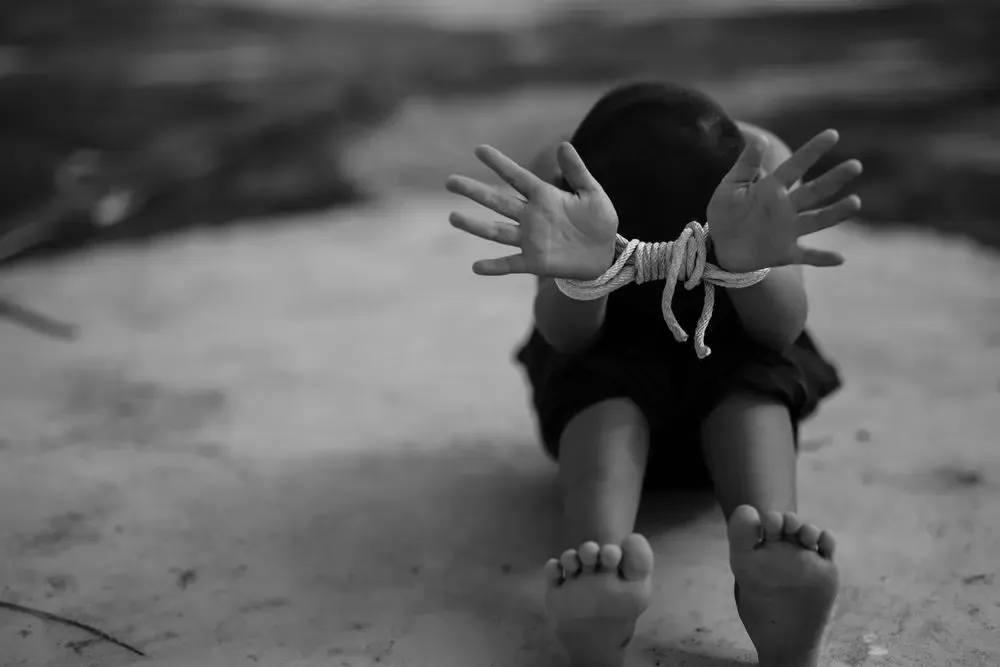
Child trafficking doesn't announce itself with violence or force. It begins quietly with a friendly message, a job offer, or a promise of something better. In cities and small towns alike, child trafficking operates through an invisible web that stretches across borders and screens. This multi-billion-dollar crime doesn't resemble the dramatic abductions we see in movies. Instead, it hides behind trusted faces, false promises, and everyday transactions. According to the United Nations Office on Drugs and Crime, nearly one in three trafficking victims worldwide is a child, and the majority are exploited without ever crossing a border.

Human trafficking and smuggling are deeply intertwined issues affecting millions around the globe. Smugglers often exploit vulnerable populations, luring individuals with false promises of better opportunities. As these networks become more sophisticated, law enforcement agencies face overwhelming challenges in tracking and apprehending criminals while also identifying and assisting victims. In recent years, artificial intelligence (AI) has emerged as a powerful tool in various fields, and its application in detecting smugglers and victims of human trafficking is proving to be a game changer. With the increasing complexities of global smuggling networks and the urgency of human rights issues, AI technologies are being employed to enhance monitoring, data analysis, and investigative processes. Although AI has the potential to do all these things, it has been underutilized in the field and there should be a push from NGOs and agencies to use the technology.
Look into the eyes of a child. What do you see? Laughter, dreams, boundless potential. Now, imagine those same eyes filled with fear, despair, and the heavy burden of a life stolen. This is the stark reality for millions of children around the world, victims of child trafficking – a modern-day slavery that thrives in the shadows of our globalized society.
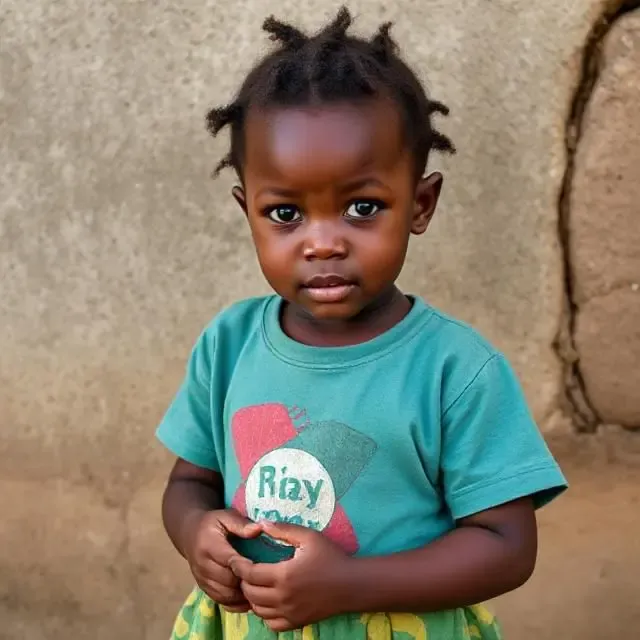
Despite that South Africa have the largest economy In Africa with the largest literacy rates, Child abuse remains a pressing issue in South Africa, The alarming statistics surrounding child abuse highlight an urgent need for society to address this pervasive problem.
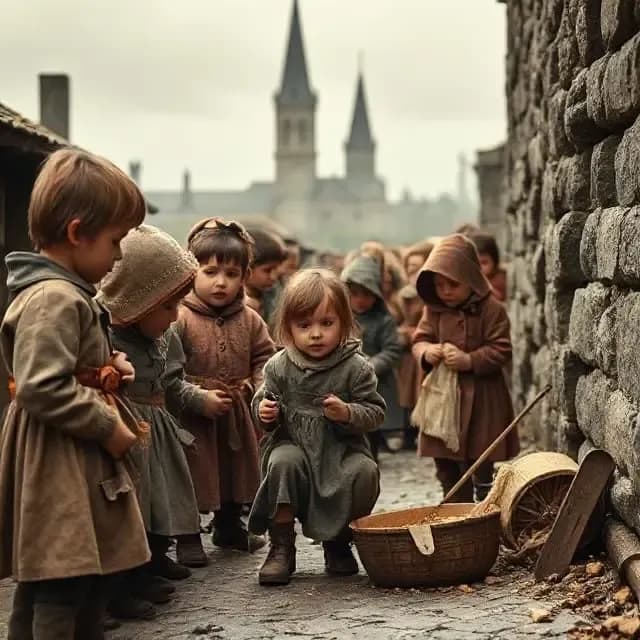
Child labor has been a pervasive issue throughout history, especially during the Industrial Revolution in Europe, when the demand for cheap labor forced many children into factories, mines, and mills. As society gradually recognized the exploitation faced by these young workers, significant efforts emerged to combat child labor across the continent. Understanding how Europe addressed this social issue sheds light on the value placed on childhood innocence and education, which continues to resonate today.

Child sexual exploitation in digital spaces has evolved significantly with the rise of online gaming platforms. Gaming environments now represent a significant avenue for predators to access children, with concerning research showing grooming situations can develop in as little as 19 seconds to 45 minutes in social gaming environments.
Preventing child sexual exploitation requires vigilance, education, and systemic safeguards:

Imagine a world where every child can grow up safe, loved, and empowered regardless of their circumstances. A world free from the horrors of child trafficking, pedophilia, and exploitation. At Marianco, we're committed to making this vision a reality. We're building a future where vulnerable children are protected, their dignity restored, and their stories rewritten.