Stay Informed
Join our newsletter to receive updates about our mission, impact stories, and ways you can help make a difference.
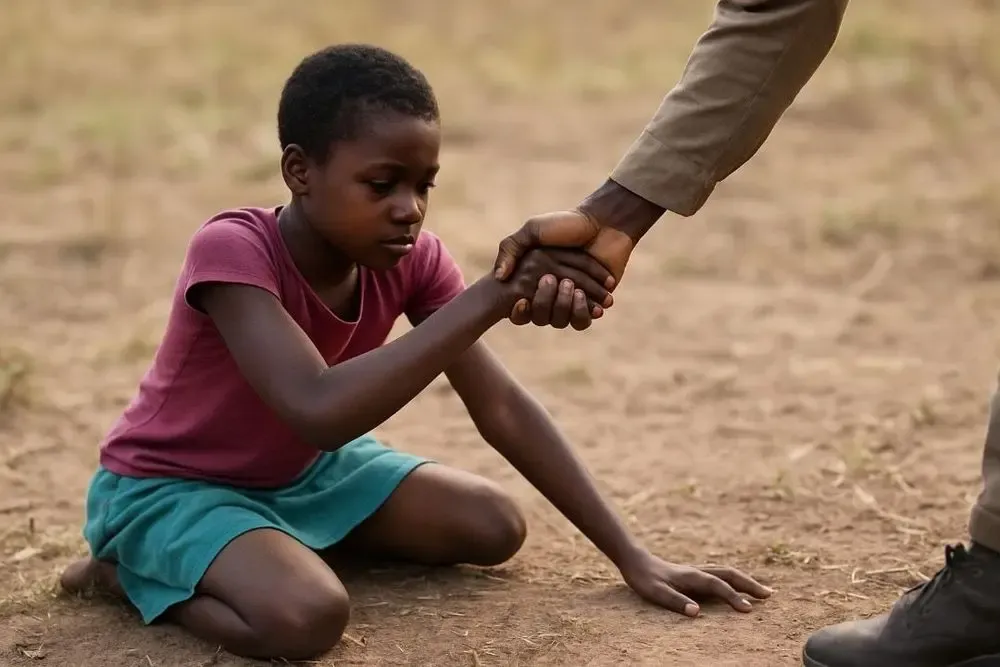
Across Africa, millions of children are growing up under the shadow of sexual violence and exploitation. Behind closed doors, in schools, in refugee camps, and increasingly across digital spaces, countless boys and girls face abuses that rob them of dignity, safety, and the promise of a better future.
The crisis is urgent — yet too often invisible. It demands not only compassion but also coordinated, sustained action from governments, communities, and international partners.
These indicators (especially underage marriage of girls) are key drivers and proxies for vulnerability to sexual exploitation.
Sources: UNICEF (When Numbers Demand Action, 2024), UNICEF child marriage country profiles, ChildFund/ACPF reports on online exploitation, and related regional policy briefs.
Niger: 76% of women aged 20–24 married before 18. Very high child marriage prevalence; vulnerability driven by conflict and poverty.
Central African Republic: 68%. Very high child marriage prevalence; vulnerability driven by conflict and poverty.
Chad: 67%. Very high child marriage prevalence; vulnerability driven by conflict and poverty.
Mali: 55%. High prevalence; conflict and displacement increase risk.
Burkina Faso: 52%. High prevalence; conflict and displacement increase risk.
South Sudan: 45%. High prevalence; conflict and displacement increase risk.
Mozambique: 48%. High to moderate prevalence; regional disparities and rising online risks.
Nigeria: 43%. High to moderate prevalence; regional disparities and rising online risks.
South Africa: 18%. Lower child marriage rate but high reported sexual violence and online exploitation.
Recent reports reveal staggering realities. According to UNICEF, more than 79 million girls and women in sub-Saharan Africa have been subjected to rape or sexual assault before turning 18. This figure likely underrepresents the true scale, as many cases go unreported due to fear, shame, or cultural taboos.
Online exploitation is growing even faster. ChildFund and its partners report a sharp increase in online sexual exploitation and abuse of children across Africa. In several countries, including Kenya, Uganda, and Mozambique, one in five children aged 9–17 have received unwanted sexual messages or requests for explicit content online.
Sexual exploitation does not occur in isolation. It thrives where protection systems are weak and children lack power or voice. Among the key drivers are:
The impact of molestation and sexual exploitation on a child can be lifelong. Survivors often face:
The damage extends beyond individuals — it undermines families, weakens communities, and slows national development.
Many African countries have made commendable progress by strengthening laws and ratifying regional frameworks such as the African Charter on the Rights and Welfare of the Child. Nations like Kenya, South Africa, and Nigeria have enacted comprehensive sexual offences laws that define and criminalize various forms of abuse.
However, the gap between policy and practice remains wide. Investigations are often delayed, cases collapse due to poor evidence, and survivors rarely receive justice or care. Reporting systems are fragmented, and protection services — where they exist — are underfunded or inaccessible.
Ending child molestation and sexual exploitation in Africa requires more than legal reform — it requires a shift in power, culture, and awareness.
1. Strengthen child protection systems: Governments must invest in social services, police training, and child-friendly courts.
2. Empower communities: Awareness programs can challenge stigma, promote dialogue, and encourage early reporting.
3. Expand survivor support: Access to counseling, healthcare, shelter, and education must be prioritized.
4. Promote digital safety: Schools and caregivers should teach children how to navigate the internet safely and report online threats.
5. Foster partnerships: Collaboration between governments, NGOs, faith-based organizations, and international bodies can amplify impact and ensure accountability.
Protecting Africa’s children is not only a moral duty, it’s a collective responsibility. Each child deserves to grow free from fear, to dream, and to thrive in safety. Silence enables abuse; awareness, advocacy, and action can end it.
Every effort from reporting a case, mentoring a child, supporting survivors, or shaping policy — moves us closer to a continent where childhood is sacred and exploitation has no place.
At Marianco, we believe every child deserves safety, dignity, and a future free from fear. Through our programs in advocacy, rescue, survivor care, and awareness, we are working tirelessly to end child molestation and sexual exploitation across Africa.
How to be a Change Agent:
• Report abuse when you see or suspect it — silence protects perpetrators.
• Support survivors through donations, volunteering, or mentorship.
• Raise awareness by sharing verified information and breaking harmful taboos.
Together, we can build communities that protect children, empower families, and hold abusers accountable.
Join the Marianco mission today — because every child deserves protection, and every voice counts.

While everything becomes digitalized, seeking support is no exception. Many NGOs have followed the method of including a hotline to support victims of various types of abuse, but to know more about its effectiveness, we need to know the opinions of help seekers.

The clock is ticking. Every day we wait to address AI-generated child sexual abuse material is another day predators get ahead of law enforcement. OpenAI recently announced that ChatGPT will permit erotic content for age-verified adults. The company has framed this decision as a way of respecting adult autonomy. But this decision, opens a floodgate that could accelerate one of the most urgent threats facing children today: the explosion of AI-generated child sexual abuse material (AI-CSAM). The numbers are already terrifying. And they're getting worse by the day.

There are different kinds of ways we can use to find information about child abuse cases, BUT surveying remains one of the most effective methods. To survey child abuse, a complex process that requires strict ethical protocols and specialized methods, researchers must prioritize the safety and well-being of participants. A survey can target the prevalence of abuse in a population or be used for screening and clinical assessment in healthcare settings. HOWEVER, there are many ethical considerations before conducting such research such as age, anonymity
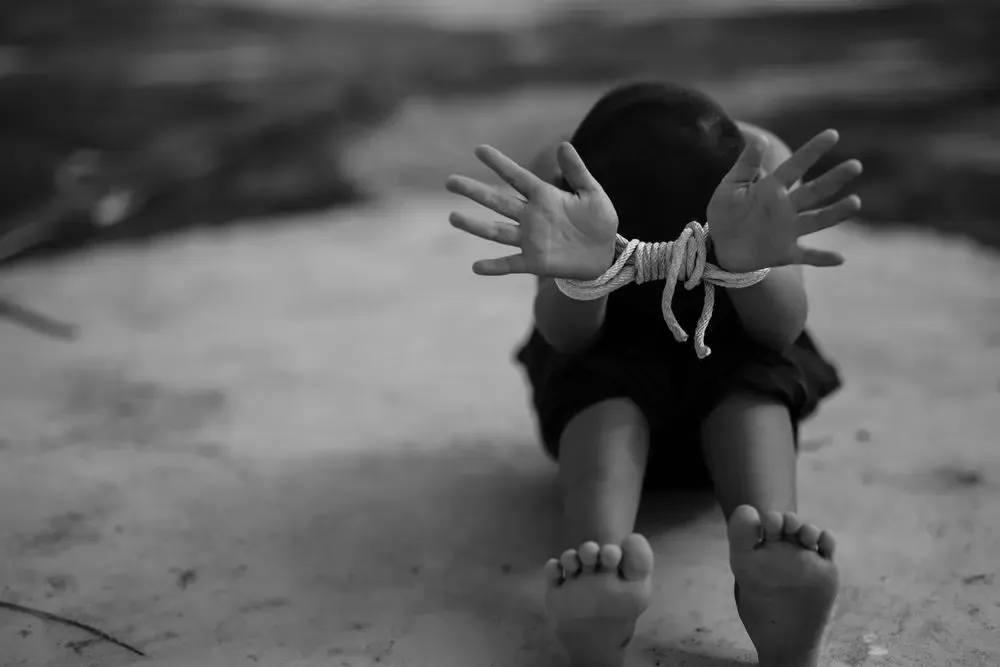
Child trafficking doesn't announce itself with violence or force. It begins quietly with a friendly message, a job offer, or a promise of something better. In cities and small towns alike, child trafficking operates through an invisible web that stretches across borders and screens. This multi-billion-dollar crime doesn't resemble the dramatic abductions we see in movies. Instead, it hides behind trusted faces, false promises, and everyday transactions. According to the United Nations Office on Drugs and Crime, nearly one in three trafficking victims worldwide is a child, and the majority are exploited without ever crossing a border.

Human trafficking and smuggling are deeply intertwined issues affecting millions around the globe. Smugglers often exploit vulnerable populations, luring individuals with false promises of better opportunities. As these networks become more sophisticated, law enforcement agencies face overwhelming challenges in tracking and apprehending criminals while also identifying and assisting victims. In recent years, artificial intelligence (AI) has emerged as a powerful tool in various fields, and its application in detecting smugglers and victims of human trafficking is proving to be a game changer. With the increasing complexities of global smuggling networks and the urgency of human rights issues, AI technologies are being employed to enhance monitoring, data analysis, and investigative processes. Although AI has the potential to do all these things, it has been underutilized in the field and there should be a push from NGOs and agencies to use the technology.
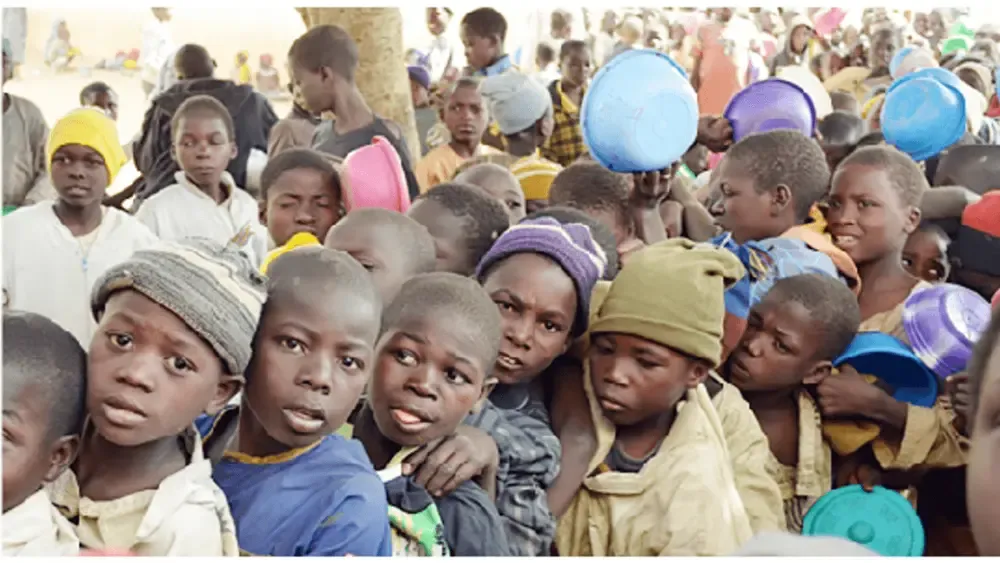
The Almajiri system is one of the oldest forms of traditional Islamic education in Northern Nigeria. The term Almajiri comes from the Arabic word al-Muhajirun, meaning “a seeker of knowledge who leaves home in pursuit of learning.” For centuries, this system produced respected scholars, leaders, and community guides.
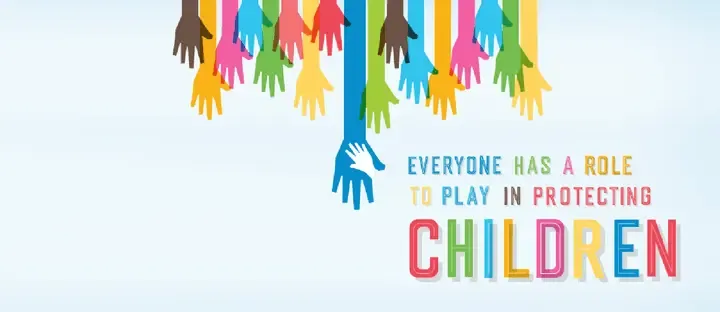
Look into the eyes of a child. What do you see? Laughter, dreams, boundless potential. Now, imagine those same eyes filled with fear, despair, and the heavy burden of a life stolen. This is the stark reality for millions of children around the world, victims of child trafficking – a modern-day slavery that thrives in the shadows of our globalized society.
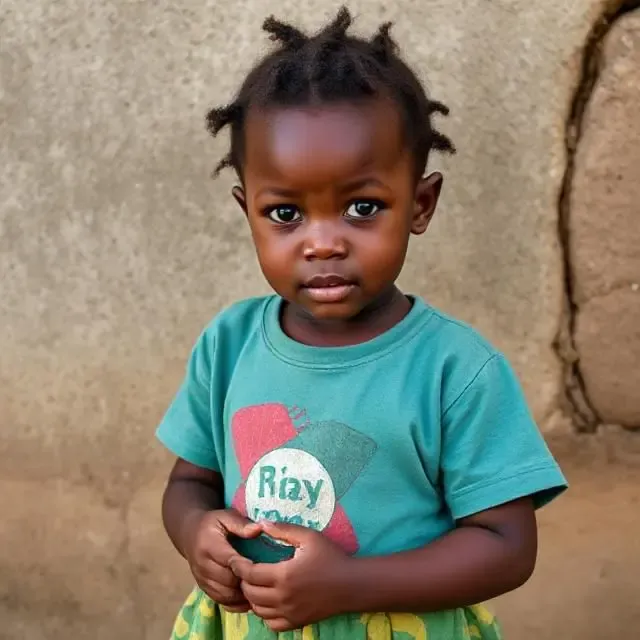
Despite that South Africa have the largest economy In Africa with the largest literacy rates, Child abuse remains a pressing issue in South Africa, The alarming statistics surrounding child abuse highlight an urgent need for society to address this pervasive problem.
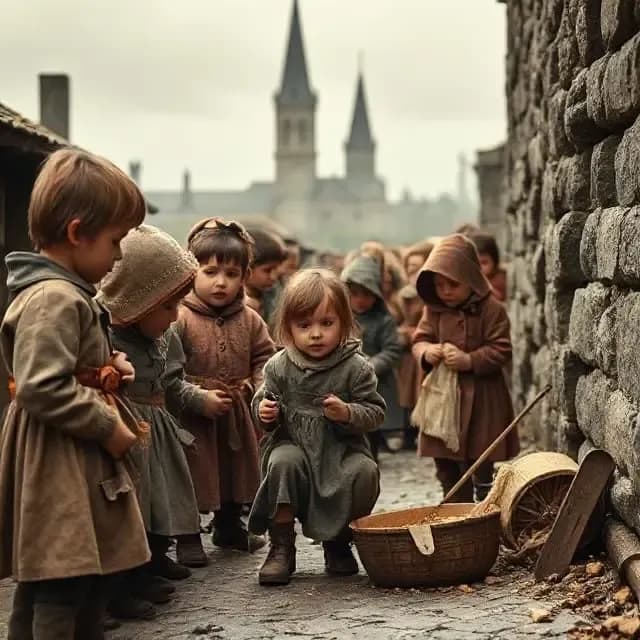
Child labor has been a pervasive issue throughout history, especially during the Industrial Revolution in Europe, when the demand for cheap labor forced many children into factories, mines, and mills. As society gradually recognized the exploitation faced by these young workers, significant efforts emerged to combat child labor across the continent. Understanding how Europe addressed this social issue sheds light on the value placed on childhood innocence and education, which continues to resonate today.

Child sexual exploitation in digital spaces has evolved significantly with the rise of online gaming platforms. Gaming environments now represent a significant avenue for predators to access children, with concerning research showing grooming situations can develop in as little as 19 seconds to 45 minutes in social gaming environments.
Preventing child sexual exploitation requires vigilance, education, and systemic safeguards:
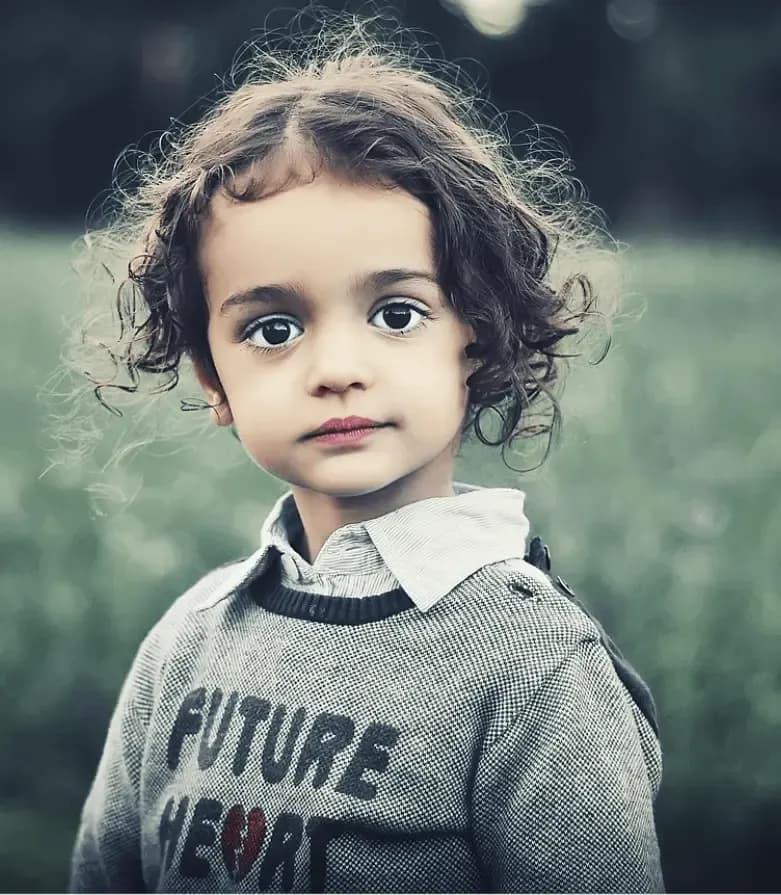
Imagine a world where every child can grow up safe, loved, and empowered regardless of their circumstances. A world free from the horrors of child trafficking, pedophilia, and exploitation. At Marianco, we're committed to making this vision a reality. We're building a future where vulnerable children are protected, their dignity restored, and their stories rewritten.
Join our newsletter to receive updates about our mission, impact stories, and ways you can help make a difference.