Stay Informed
Join our newsletter to receive updates about our mission, impact stories, and ways you can help make a difference.

There are different kinds of ways we can use to find information about child abuse cases, BUT surveying remains one of the most effective methods.
To survey child abuse, a complex process that requires strict ethical protocols and specialized methods, researchers must prioritize the safety and well-being of participants. A survey can target the prevalence of abuse in a population or be used for screening and clinical assessment in healthcare settings.
HOWEVER, there are many ethical considerations before conducting such research such as age, anonymity
To make research surveys effective we need to prioritize ethics and safety. Moreover, we have to minimize the risk of retrauma and distress. This includes clear consent processes, guaranteed confidentiality (with necessary limits for immediate danger), and providing access to support services. Below are three ways in which we can design surveys that both effective and ethical.
Frame the survey carefully: Surveys should be introduced to children and parents as being about "child safety," "well-being," or "health," rather than using potentially frightening terms like "child abuse".
Ensure data quality: Use consistent, validated measures and trained interviewers to increase the accuracy of responses. For instance, questions should focus on specific behaviors rather than asking about vague definitions of abuse.
Utilize appropriate methods: Computer-Assisted Self-Interviewing (CASI) is often used for older children and young people. This electronic format can increase feelings of privacy and control, leading to more honest answers.
Surveying different age groups
Not every surveying method is effective with all age groups, before conducting a survey there must be an understanding of the age group being surveyed to build trust, here are some tips to get the best results from the different age groups.
Older children and young people (e.g., ages 11–25):
Self-report surveys: This is a common and effective method for gathering lifetime and recent data. Research shows that youth can accurately and reliably report on their experiences.
Anonymous platforms: Anonymity is crucial, as it can reduce the fear of retaliation and increase truthfulness. However, surveys must also include a confidential process for participants to request help or report disclosures of harm.
Comprehensive instruments: Validated questionnaires like the Conflict Tactics Scales which is a 39-item measure of individual engagement in or experience of physical or psychological violence and the Juvenile Victimization Questionnaire (JVQ-R2) which can be used in a variety of clinical, research, and community settings to help document the true burden of victimization experienced by youth. ask about a range of topics, including specific experiences of physical, emotional, and sexual violence.
Younger children (under 10):
For younger children surveys are not recommended. This is because younger children often lack the cognitive development and reliable memory to report accurately on experiences of maltreatment. Clinical assessments and observation are used instead. This is because professionals rely on other methods, including thorough medical history, physical examinations, and observation of the child's behavior, in addition to information from caregivers.
Surveying adults about childhood abuse
Self-report measures: Adult survivors of child abuse are often surveyed to understand prevalence and health outcomes. These surveys may be integrated into broader health studies. Retrospective reporting considerations: When surveying adults about childhood experiences, researchers must consider the potential for recall bias and distress.
Qualitative information: To provide appropriate treatment in clinical settings, trauma assessments often focus on qualitative, subjective information about a client's experiences, thoughts, and feelings related to the abuse.
Surveying professionals
Healthcare providers: Surveys of healthcare providers can identify training needs and barriers to diagnosing child abuse. For example, a 2023 study in Saudi Arabia found that challenges for physicians included inexperience, inadequate time, and lack of diagnostic protocols.
Interdisciplinary teams: The best practice approach to child abuse involves a multidisciplinary team (MDT). Surveys of these teams can assess the effectiveness of their collaborative practices.
Closure:
the ethics surrounding the surveying of child abuse necessitate a careful balance between the need for data collection and the imperative of safeguarding vulnerable populations. Ethical considerations must prioritize the well-being of children, ensuring that their rights and dignity are upheld throughout the research process. This includes obtaining informed consent from guardians, utilizing sensitive questioning techniques, and providing support services for participants. Researchers have a duty to mitigate the potential psychological impact of disclosing abuse and to adhere to strict confidentiality measures. Additionally, collaboration with child protection agencies can enhance the ethical integrity of the study. As we advance our understanding of child abuse through research, it is critical to maintain a commitment to ethical standards that protect those who are most at risk. By embracing these ethical principles, we can contribute to a more nuanced understanding of the issue while prioritizing the safety and welfare of children.
Examples of large-scale surveys
Violence Against Children Surveys (VACS): Supported by the Centers for Disease Control and Prevention and UNICEF, these are nationally representative household surveys of young people aged 13–24. They use a standard methodology for face-to-face interviews to gather high-quality data on childhood violence.
UK child abuse prevalence surveys: The UK Office for National Statistics has conducted feasibility studies for child abuse prevalence surveys among young people. The studies suggest using electronic, self-completed surveys within schools for ages 11–15 and online for ages 16–25.
resources:
https://learning.nspcc.org.uk/research-resources/briefings/research-with-children-ethics-safety-promoting-inclusion
https://pmc.ncbi.nlm.nih.gov/articles/PMC5833635/
https://www.ons.gov.uk/peoplepopulationandcommunity/crimeandjustice/articles/exploringthefeasibilityofasurveymeasuringchildabuseintheuk/june2024
https://www.ncbi.nlm.nih.gov/books/NBK459146/
https://pmc.ncbi.nlm.nih.gov/articles/PMC6534473/
https://www.research.ed.ac.uk/en/publications/development-of-a-child-abuse-prevalence-survey-amp-safeguarding-p
https://childethics.com/case-studies/child-protection-and-confidentiality-surveying-childrens-experiences-of-violence-abuse-and-neglect-by-lorraine-radford/
https://www.ojp.gov/pdffiles1/ojjdp/186027.pdf
https://conservancy.umn.edu/server/api/core/bitstreams/0ef8d32f-1ca7-4398-aab9-174454eb45ae/content
https://learning.nspcc.org.uk/statistics-child-abuse
https://fada.birzeit.edu/handle/20.500.11889/741
https://www.futurity.org/thoughts-of-suicide-emotional-violence-2087722-2/#:~:text=The%20researchers%20reviewed%20national%20data%20drawn%20from,governments%2C%20and%20other%20bilateral%20and%20multilateral%20organizations.

Hotlines serve as a pivotal resource for individuals seeking immediate assistance across various sectors. Their effectiveness hinges on accessibility, trained personnel, and efficient call management systems

Treating adults like adults is a reasonable principle but not when the tool in question is a machine that can generate infinite child sexual abuse material on demand. OpenAI and every other AI company must understand: loosening restrictions on sexual content without ironclad safeguards is reckless.
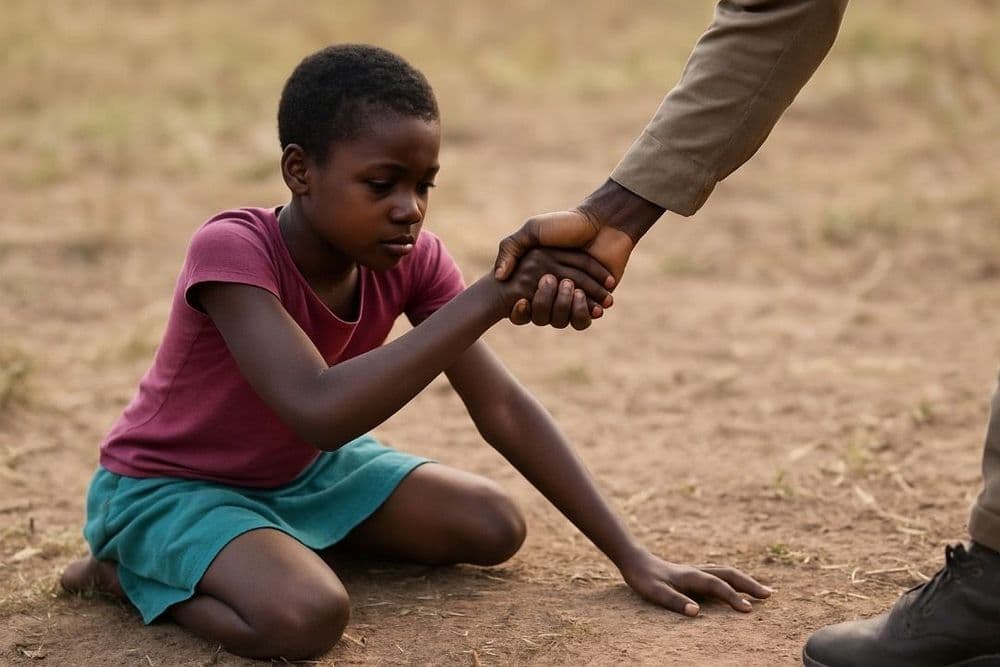

Combating child trafficking requires collective action. Organizations like ECPAT International, UNICEF, and the National Human Trafficking Hotline coordinate rescue efforts and survivor support across borders. Tech companies are implementing stronger safeguards, using machine learning to detect and remove exploitative content.

The intersection of technology and social justice has never been more critical. As AI continues to evolve, its capabilities in detecting and combating smuggling and human trafficking will further strengthen law enforcement and humanitarian efforts.
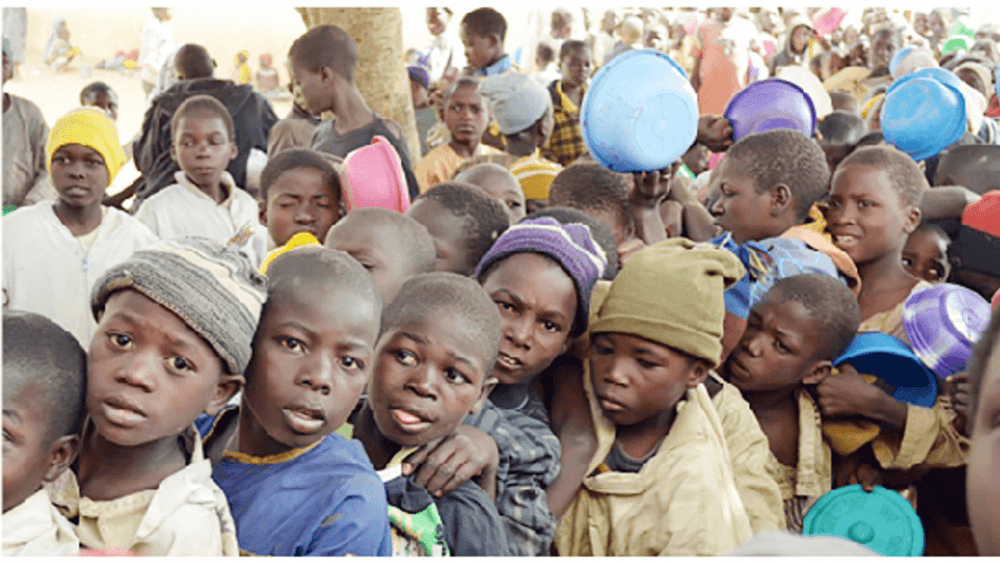
The Almajiri system began as a noble path of learning but has been weakened by neglect and lack of support. Today, millions of children suffer under conditions that deny them their rights and their futures
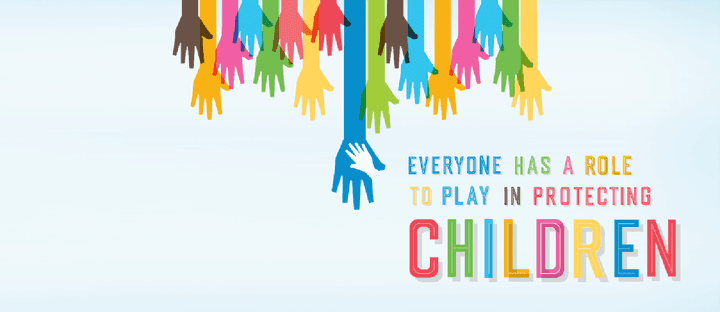

tackling child abuse in South Africa requires a multifaceted approach that involves individuals, families, communities, and the government. It calls for increased awareness, education, and active participation from all sectors of society.

The fight against child labor in Europe began in earnest during the 19th century. Social reformers, writers, and activists highlighted the plight of children working in hazardous conditions

Child sexual exploitation can be prevented through education, vigilance, and strong legal action. Key steps include teaching children body safety, monitoring online activity, reporting abuse, and supporting survivors. Community awareness and trained professionals are essential to detect and stop exploitation early.

Online gaming platforms have become a significant avenue for child sexual exploitation, with predators using in-game communication features, virtual gifts, and mentorship tactics to groom children in as little as 19 seconds, making parental awareness and active engagement in gaming crucial for protection.

Marianco is a non-profit organization dedicated to combating child trafficking, pedophilia, and exploitation. Inspired by Francisco Padilla, a former street orphan, Marianco provides comprehensive support to vulnerable children, including shelter, education, healthcare, and counseling. The organization aims to create a world where every child is safe and has the opportunity to reach their full potential. Child trafficking, pedophilia, and related forms of exploitation are pressing issues that strip millions of children of their rights, safety, and dignity. Marianco recognizes the urgency of addressing this crisis and is committed to disrupting cycles of exploitation by raising awareness, advocating for stricter laws, and creating prevention and rehabilitation programs. Their short-term goals include raising awareness, building partnerships, fundraising, developing rehabilitation centers, offering legal aid, and creating educational programs. Marianco is preparing to launch an advocacy campaign to educate communities about child trafficking and how to prevent it. With your support, Marianco can turn these plans into reality and create a world where children are safe, loved, and empowered.
Join our newsletter to receive updates about our mission, impact stories, and ways you can help make a difference.