Stay Informed
Join our newsletter to receive updates about our mission, impact stories, and ways you can help make a difference.

While everything becomes digitalized, seeking support is no exception. Many NGOs have followed the method of including a hotline to support victims of various types of abuse, but to know more about its effectiveness, we need to know the opinions of help seekers.
The outcome of hotlines
It’s not enough to be listened to only by mental health experts; it’s also important to dive deeply into the root causes of the trauma. However, most helpline users seek support as a friend rather than as a patient.
According to Prikis et al. (2016), 3% of the hotline users produce 60% of the calls; the more frequently users use the helpline, the poorer their mental health is.
Experiencing misdiagnosis and misunderstanding was one issue, while being labeled as a "troublesome patient" was another.
One user characterized the doctor's comments about therapy as "Just empty."
words so far," and another expressed a feeling of giving up after finally securing an appointment:
I was referred to outpatient psychiatry care with a guarantee to see a doctor within 1 month and a psychologist within 8 months. I finally got a doctor's appointment in three weeks after having nagged and reminded for over 2 months [...] I'm so tired of constantly being overlooked in the care system and
I wonder if I can wait that long? (ID5948)
They provide visual privacy and, even more crucially, a highly personal way to connect for listening and emotional support—particularly in cases involving users with intricate, undefined issues. Additionally, they serve as a knowledgeable
entry point to guide individuals towards complementary services. The shift towards digital helplines is widespread, and they come with their own set of benefits, which are elaborated on below.
A hybrid model that combines telephone helplines with a digital component preserves the personal benefits of a telephone conversation, fulfills the demand for ‘always on’ user accessibility, and ensures 24-hour availability when telephone operators are unavailable.
Positive results are noted when users engage with both channels interchangeably, leading to sustained contact.
The significance of digital helplines is on the rise, partly because they are more cost-effective to maintain and have the ability to scale efficiently. They offer anonymity and are often seen as more accessible than traditional phone conversations. With digital connectivity nearly ubiquitous in the UK, these services attract users who are heavy digital consumers, especially in scenarios where factual issues can be addressed online.
Cognitive Behavioral Therapy (CBT) can be conducted over the phone, but it is increasingly being offered online, with or without the presence of guided support. While unguided CBT is more scalable, guided CBT typically leads to improved outcomes due to the ongoing support provided over a medium to long-term basis. The pace of technological innovation is rapid, and exploring the effectiveness of emerging technologies like machine learning and AI could be a promising avenue for future research.
Hotlines serve as a pivotal resource for individuals seeking immediate assistance across various sectors. Their effectiveness hinges on accessibility, trained personnel, and efficient call management systems. By offering a confidential and supportive environment, hotlines empower individuals to voice their concerns and seek help without fear of stigma. Continuous evaluation and enhancement of these services are essential to ensure they meet the evolving needs of the community. By investing in hotlines, organizations can significantly contribute to the well-being of their stakeholders, fostering a culture of support and responsiveness that ultimately leads to healthier societies.
resources

Treating adults like adults is a reasonable principle but not when the tool in question is a machine that can generate infinite child sexual abuse material on demand. OpenAI and every other AI company must understand: loosening restrictions on sexual content without ironclad safeguards is reckless.

the ethics surrounding the surveying of child abuse necessitate a careful balance between the need for data collection and the imperative of safeguarding vulnerable populations. Ethical considerations must prioritize the well-being of children, ensuring that their rights and dignity are upheld throughout the research process.


Combating child trafficking requires collective action. Organizations like ECPAT International, UNICEF, and the National Human Trafficking Hotline coordinate rescue efforts and survivor support across borders. Tech companies are implementing stronger safeguards, using machine learning to detect and remove exploitative content.

The intersection of technology and social justice has never been more critical. As AI continues to evolve, its capabilities in detecting and combating smuggling and human trafficking will further strengthen law enforcement and humanitarian efforts.
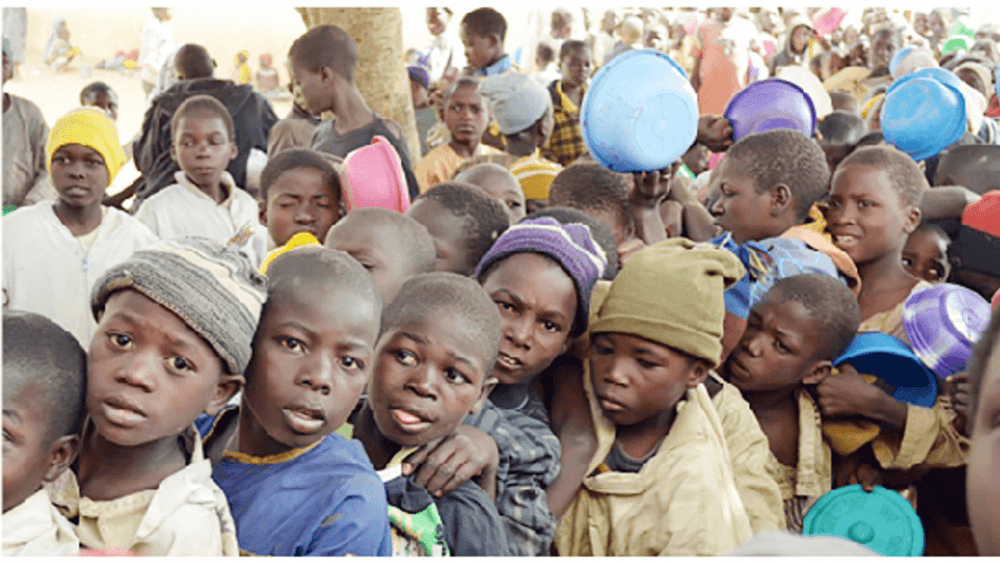
The Almajiri system began as a noble path of learning but has been weakened by neglect and lack of support. Today, millions of children suffer under conditions that deny them their rights and their futures
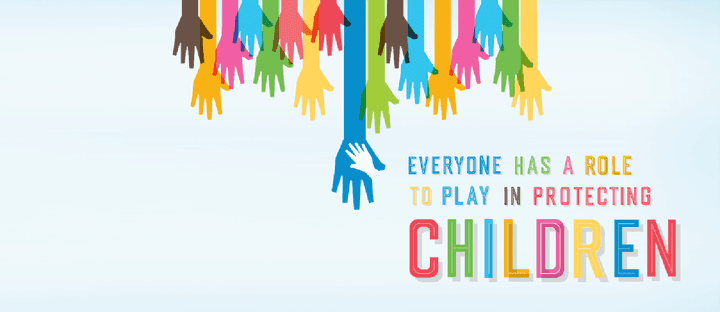

tackling child abuse in South Africa requires a multifaceted approach that involves individuals, families, communities, and the government. It calls for increased awareness, education, and active participation from all sectors of society.

The fight against child labor in Europe began in earnest during the 19th century. Social reformers, writers, and activists highlighted the plight of children working in hazardous conditions

Child sexual exploitation can be prevented through education, vigilance, and strong legal action. Key steps include teaching children body safety, monitoring online activity, reporting abuse, and supporting survivors. Community awareness and trained professionals are essential to detect and stop exploitation early.

Online gaming platforms have become a significant avenue for child sexual exploitation, with predators using in-game communication features, virtual gifts, and mentorship tactics to groom children in as little as 19 seconds, making parental awareness and active engagement in gaming crucial for protection.

Marianco is a non-profit organization dedicated to combating child trafficking, pedophilia, and exploitation. Inspired by Francisco Padilla, a former street orphan, Marianco provides comprehensive support to vulnerable children, including shelter, education, healthcare, and counseling. The organization aims to create a world where every child is safe and has the opportunity to reach their full potential. Child trafficking, pedophilia, and related forms of exploitation are pressing issues that strip millions of children of their rights, safety, and dignity. Marianco recognizes the urgency of addressing this crisis and is committed to disrupting cycles of exploitation by raising awareness, advocating for stricter laws, and creating prevention and rehabilitation programs. Their short-term goals include raising awareness, building partnerships, fundraising, developing rehabilitation centers, offering legal aid, and creating educational programs. Marianco is preparing to launch an advocacy campaign to educate communities about child trafficking and how to prevent it. With your support, Marianco can turn these plans into reality and create a world where children are safe, loved, and empowered.
Join our newsletter to receive updates about our mission, impact stories, and ways you can help make a difference.