 Stationery
Hardcover Journal Matte
SEK 159
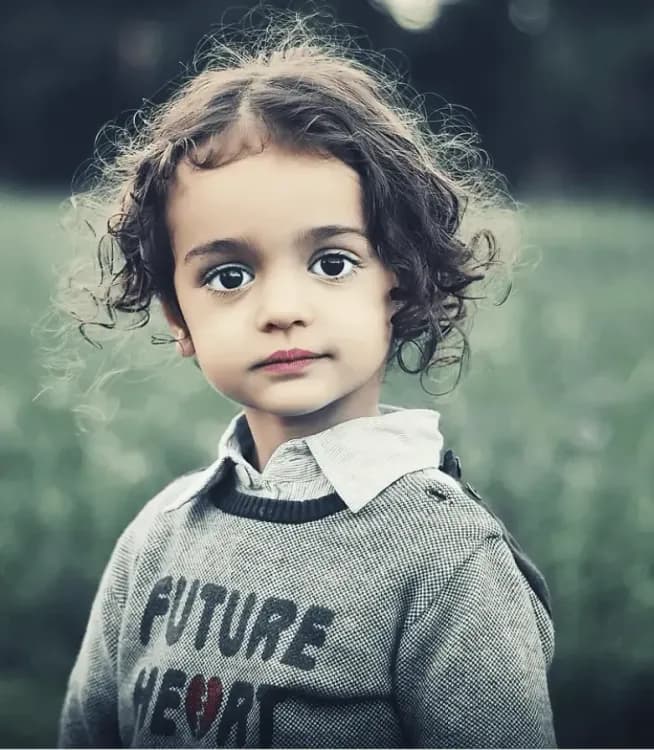
There is a version of child protection that is highly visible: campaigns, hashtags, rescue narratives, statistics on posters. There is another version that almost nobody sees. The second one is where the evidence is.
Raising awareness is often treated as an outcome in itself. It is not. Awareness is a precondition for action, and the link between the two is weaker than the sector likes to assume. People can be entirely aware of child exploitation and change nothing about what they do.
The campaigns that do work share a feature: they ask for one specific, achievable action from a defined group of people. "Learn the signs" is not that. "If you supervise children in a sports club, here is the one rule about private messaging that you should adopt this season" is.
Setting aside what is popular, this is roughly what holds up:
The common thread is duration. Almost everything on that list takes years, resists photography, and produces results that are hard to attribute to any single organisation.
That last point is the structural reason prevention is underfunded. A rescue has a beneficiary, a date and a photograph. A prevented harm has none of those, because the defining feature of prevention is that nothing happens.
Funders reasonably want to know what their money achieved. The kind of work that can answer that crisply is not always the kind of work that helps most, and organisations respond to what gets funded. This is not cynicism about the sector; it is a description of the incentive.
It means being honest about which category a given piece of work falls into. Some of what Marianco does is visible and responsive, and that is legitimate, children in front of you need help now, not a longitudinal study.
But the balance matters, and so does saying plainly which is which. An organisation that reports only its most photogenic work is not lying, exactly. It is just not telling you the part that would let you judge it.
The measure we would rather be held to: not how many people saw our campaign, but whether a child somewhere had one more adult who knew what to do.
Everything is made to order. What is left after production funds prevention, support and casework.
Print-on-demand keeps our stock at zero, so nothing is bought that nobody wants. What is left after the item is made and shipped goes to prevention work, support for families, and the slow business of getting cases taken seriously.
One treatment has strong support across 70 randomised trials. For children below school age, care rests on two American studies older than twenty years, and Sweden has no care programme.
Reported rapes of children fell twelve per cent while assaults rose. What reporting statistics can say, what they cannot, and where the Swedish system is thinnest.
Children learn more, established across 24 randomised trials. But the field's most quoted figure does not survive scrutiny, and nobody has shown that abuse becomes less common.
A few times a year: what we have done, what we have learned, and what is worth reading. No campaigns between times, and one click to stop.

