 Stationery
Hardcover Journal Matte
SEK 159
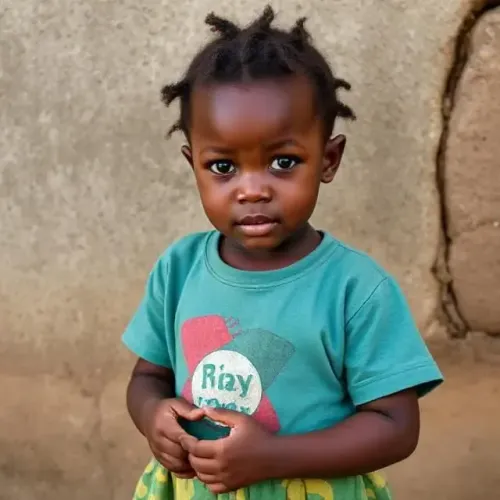
Despite that South Africa have the largest economy In Africa with the largest literacy rates, Child abuse remains a pressing issue in South Africa, The alarming statistics surrounding child abuse highlight an urgent need for society to address this pervasive problem.
According to various studies, South Africa has one of the highest rates of child abuse in the world. This abuse manifests itself in various forms, including physical, emotional, sexual abuse, and neglect. The effects of such trauma can be devastating and long-lasting, leading to a cycle of violence that can persist across generations. Vulnerable groups, particularly children from disadvantaged backgrounds, are at a heightened risk, as they often lack access to supportive resources and protection mechanisms. According to the report titled Child Series Volume III, Reported Crime Against Children 2022/23 released by Statistics South Africa, a significant number of reported crimes against children in South Africa involve sexual offenses, with girls being victimized more frequently than boys.
In most provinces, except for the Western Cape and Northern Cape, rape has consistently been the most prevalent reported crime against children. In the 2022/23 period, Limpopo recorded the highest proportion of rape cases among reported crimes against children at 54,3%, followed by Mpumalanga at 47,6%. Gauteng had the lowest proportion at 35,1%.
The roots of child abuse in South Africa can be traced to various socio-economic factors. High levels of poverty, unemployment, and substance abuse within communities contribute to environments where violence can thrive. Families facing economic hardships may experience increased stress, which can lead to harmful parenting practices and an inability to provide a safe, nurturing environment for children.
Shame keeps abuse unreported. In rural areas in particular, families may treat a report as a disgrace on the household, or simply not know which legal route exists. Community education addresses the second of those and only partly the first, which is why it is one measure among several rather than the answer.
$31
Non-governmental organizations (NGOs) and community groups have stepped in to fill the gaps left by government initiatives. These organizations provide essential services such as counseling, legal support, and education on child rights and well-being. Collaboration between government bodies and NGOs can create a more effective response to child abuse, fostering a comprehensive support system for affected families.
Community education teaches children what their rights are, how to recognise an unsafe situation, and who to ask for help. The evidence for that is real but narrower than it is usually presented: Cochrane's review of 24 randomised trials establishes that children learn, and says plainly that nobody has adequately measured whether the abuse itself becomes less common.
at marianco we believe In the Importance of raising awareness and building systems that protects children, Join us in this fight by donating/volunteering/sharing! .
Everything is made to order. What is left after production funds prevention, support and casework.
Print-on-demand keeps our stock at zero, so nothing is bought that nobody wants. What is left after the item is made and shipped goes to prevention work, support for families, and the slow business of getting cases taken seriously.
One treatment has strong support across 70 randomised trials. For children below school age, care rests on two American studies older than twenty years, and Sweden has no care programme.

Reported rapes of children fell twelve per cent while assaults rose. What reporting statistics can say, what they cannot, and where the Swedish system is thinnest.
Children learn more, established across 24 randomised trials. But the field's most quoted figure does not survive scrutiny, and nobody has shown that abuse becomes less common.
A few times a year: what we have done, what we have learned, and what is worth reading. No campaigns between times, and one click to stop.

