 Stationery
Hardcover Journal Matte
SEK 159
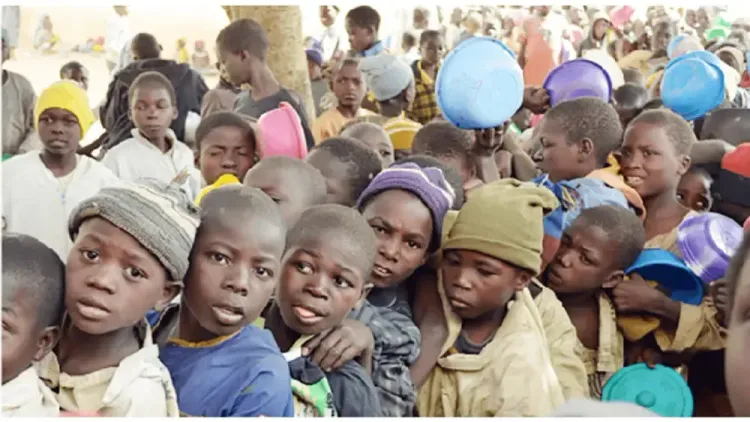
The Almajiri system is one of the oldest forms of traditional Islamic education in Northern Nigeria. The term Almajiri comes from the Arabic word al-Muhajirun, meaning “a seeker of knowledge who leaves home in pursuit of learning.” For centuries, this system produced respected scholars, leaders, and community guides.
• Historical Roots
The Al Majiri system dates back to the era of the Kanem-Borno Empire and later flourished under the Sokoto Caliphate. Young boys were sent to Islamic teachers (mallams) to study the Qur’an, Arabic, and Islamic law. Importantly, the community supported these students by providing food and shelter, making it a dignified and respected institution.
• How It Changed
The decline of the Almajiri system began during the colonial period when the British withdrew funding and community support dwindled. Without resources, many teachers and students were left to survive on their own. Over time, the system shifted from being a center of knowledge to one associated with poverty and hardship.
• The Situation Today
For millions of children in Northern Nigeria, being an Almajiri now often means:
- Street Begging: Many Almajiri children are forced to beg daily for food and money, leaving them vulnerable to hunger, abuse, and exploitation.
- Sexual exploitation of Almajiri children, both boys and girls, has been documented, though it is often underreported due to stigma, cultural taboos, and lack of child protection systems in Northern Nigeria. Pedophiles take advantage of these prepubescent children.
- Lost Education Opportunities: They miss out on basic literacy, numeracy, and life skills, which are essential for their future.
- Health and Safety Risks: Living on the streets exposes them to disease, neglect, and sometimes recruitment by criminal or extremist groups.
- Stigma and Discrimination: Instead of being valued as learners, they are often seen as beggars or burdens.
This reality directly violates children’s rights to education, protection, and dignity as enshrined in the United Nations Convention on the Rights of the Child (CRC) and Nigeria’s Child Rights Act (2003).
• Moving Forward
The Almajiri system does not have to be abolished. It needs to be reformed. Steps that can make a difference include:
- Integrating Religious and Modern Education: Providing children with both Islamic knowledge and formal schooling.
- Community and Government Support: Ensuring that Almajiri schools receive adequate funding for food, shelter, and qualified teachers.
- Child Protection Services: Creating safe environments that protect children from abuse, exploitation, and neglect.
- Awareness and Advocacy: Changing negative perceptions and highlighting that Almajiri children are learners who deserve equal opportunities.
The Almajiri system began as a noble path of learning but has been weakened by neglect and lack of support. Today, millions of children suffer under conditions that deny them their rights and their futures. Reforming the system is not only an educational issue, it is a matter of child protection, social justice, and human dignity.
Every child deserves the chance to learn in safety, without hunger, and with hope for a better future.
You can be part of the change:
- Donate, Give Grants: You can be a Change Agent by donating or give grants to rescue these children. Remember every child your child!
- Raise Awareness: Share this story so more people understand the struggles of Almajiri children.
- Support Policy Reform: Urge leaders to prioritize education and child protection in Northern Nigeria.
- Donate or Volunteer: Partner with organizations working to provide safe housing, food, and integrated education for Almajiri children.
- Stand for Children’s Rights: Every voice matters. Your advocacy can help protect vulnerable children and restore dignity to the Almajiri system.
Together, we can ensure that no child is left on the streets when they should be in school, learning, and dreaming of a brighter tomorrow and above all, save them from being exposed to societal-ills.
Everything is made to order. What is left after production funds prevention, support and casework.
Print-on-demand keeps our stock at zero, so nothing is bought that nobody wants. What is left after the item is made and shipped goes to prevention work, support for families, and the slow business of getting cases taken seriously.
One treatment has strong support across 70 randomised trials. For children below school age, care rests on two American studies older than twenty years, and Sweden has no care programme.

Reported rapes of children fell twelve per cent while assaults rose. What reporting statistics can say, what they cannot, and where the Swedish system is thinnest.
Children learn more, established across 24 randomised trials. But the field's most quoted figure does not survive scrutiny, and nobody has shown that abuse becomes less common.
A few times a year: what we have done, what we have learned, and what is worth reading. No campaigns between times, and one click to stop.

